

Blog
What To Know Before Taking Scrap Metal To A Recycler In Emerald
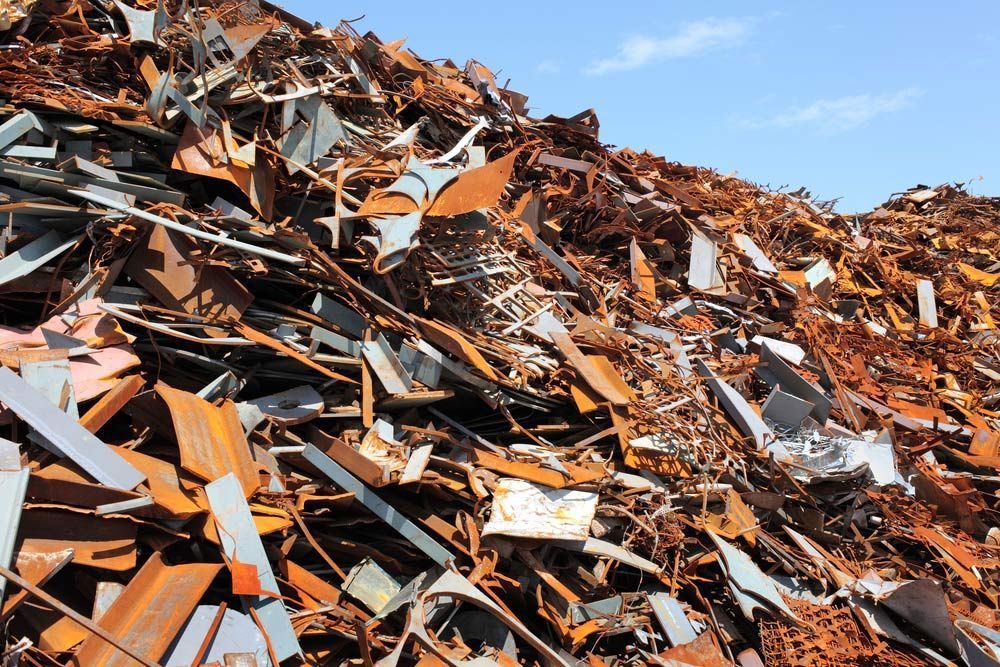
If you’re new to scrap, the first trip can feel oddly uncertain. You’ve got a pile of “metal stuff” in the ute or trailer, you’re hoping it’s worth bringing in and you’re not sure what the recycler will ask, weigh, reject, or pay differently for. The good part is that most surprises disappear once you understand how recyclers sort and grade material, what “clean” really means, and why some loads move through quickly while others slow down at the gate.
This guide walks through the main things that shape your outcome, so you can arrive with realistic expectations and a smoother handover.
Not all scrap metal is treated the same
At a recycler, metal isn’t priced as one big category. It’s grouped and graded because different metals have different values and different processing paths. That’s why two piles that look similar at home can land in separate categories on-site.
If you’re recycling scrap metal in Emerald for the first time, it helps to understand the broad split between ferrous metals (those that contain iron, like most steels) and non-ferrous metals (like aluminium, copper, brass). From there, items may be graded again based on thickness, coatings, attachments, or whether the material is mixed.
- Ferrous material is often heavier and common in structural items
- Non-ferrous metals can be lighter but priced differently
- “Mixed” loads can be treated differently to separated metal types
- Some items need extra checks due to attached components or coatings
The common items people bring on their first trip
Most first-time loads are a blend of household clean-ups, shed clear-outs and leftover bits from small projects. That mix is normal, and recyclers are used to seeing it. What matters is what those items are made of and what’s still attached to them.
Appliances, old beds, fencing offcuts, car parts, roofing sheets and lengths of pipe are typical. Some of these go straight into a known category. Others need a closer look because they combine metal with plastic, glass, rubber, wiring, fluids, or insulation.
- Whitegoods can contain metal plus wiring, plastics and internal components
- Car parts vary widely depending on what’s steel, what’s aluminium and what’s mixed
- Plumbing offcuts can include copper, brass, stainless steel, or galvanised steel
- Cables and wiring may be treated differently depending on the type and coverings
Why ‘clean’ scrap can change the outcome
“Clean scrap” doesn’t mean polished or new. It’s about how much non-metal material is bundled in with the metal. Extra attachments can change how a load is graded because the recycler has to account for additional separation or disposal steps.
For people thinking about metal recycling in Emerald, this is one of the biggest “a-ha” moments. Two loads with the same amount of metal can be treated differently if one has a lot of non-metal content mixed in. A recycler will look at things like plastic housings, rubber mounts, timber, insulation, or containers that once held liquids.
- Clean, separated metal is often simpler to grade
- Mixed items can be assessed more cautiously due to extra handling steps
- Non-metal attachments can affect how the load is classified
- Some components trigger extra safety checks
Got a mixed load? Here’s what recyclers look for
Mixed loads are common, especially if you’ve collected scrap over time. A trailer might include a bit of sheet steel, an old hot water system, some angle iron, a rim, a broken mower body and a few lengths of pipe. The recycler’s job is to work out what the load contains, whether it needs separation, and how it should be classified.
If you’re bringing a mixed load of scrap metal in Emerald, expect a quick visual assessment and a few practical questions. Recyclers often want to know if anything is sealed, pressurised, or potentially hazardous. They also need to identify obvious non-metal contamination and anything that falls into restricted handling categories.
- Mixed loads are typically assessed for metal type, attachments and safety risks
- Items that are sealed, pressurised, or contaminated may need separate handling
- Load composition influences where it goes next on-site
- Clear communication at the gate helps the process move smoothly
Understanding weights, measures and how pricing works
The weigh-in is central to how scrap is processed and priced. Most recyclers use certified scales and record the load weight as part of the transaction process. Pricing is generally influenced by metal type, grade, market movement and how much of the load is actually metal.
It’s also normal for rates to change over time, since scrap pricing is linked to broader commodity markets and demand. For newcomers, the most helpful mindset is to treat pricing as category-based and changeable rather than fixed.
To keep your expectations grounded when dropping off scrap metal in Emerald, focus on the factors the recycler can see and measure on the day, not what you might have heard second-hand.
- Different metals are priced differently, even when they look similar
- Grading can be influenced by thickness, coatings, attachments and mixed content
- Transaction steps may include weighing, grading and recording details
- Some recyclers provide documentation depending on the material type and quantity
The safety and environmental rules first-timers miss
Scrap recycling has strict safety and environmental controls, and some rules aren’t obvious until you’ve done a drop-off. The main reason is risk: certain items can leak, spark, explode, or contain materials that require special handling.
Common examples include gas bottles, fuel tanks, batteries, sealed drums, aerosol cans, or machinery that may still contain oils and residues. Even if an item looks empty, it may still need extra checks. This is one area where calling ahead can save you a wasted trip.
- Pressurised containers and gas cylinders are handled under strict rules
- Batteries and e-waste can have specific drop-off requirements
- Containers that held fuels or chemicals may need special handling
- Safety rules are designed to protect staff, customers and the site
When it makes sense to use pickup, bins or larger drop-offs
Not everyone is doing one boot-load at a time. Some people accumulate scrap through ongoing work, property clean-ups, or business operations. In those cases, a walk-in drop-off may not be the simplest option. Many recyclers offer different ways to manage larger volumes, including pickups, bulk drop-offs and bin-based options.
If you’re weighing up metal recycling in Emerald as an ongoing habit rather than a one-off clean-up, it’s worth thinking about how you gather and store material, and how often you’ll need to move it. Different arrangements can suit different quantities, timeframes and site access.
- Larger volumes may be suited to scheduled drop-offs or collection options
- Bins or bulk handling can reduce repeated small trips
- Ongoing scrap streams can be managed more predictably with a set plan
- Asking about options early can clarify what suits your situation
Your first visit made simple: what to bring and what to expect
A first trip goes more smoothly when you know the basic flow. Most sites follow a consistent routine: arrive, declare what you’ve brought, have the load assessed, complete the weigh-in process, then follow directions for unloading or placement. Payment and documentation steps depend on the recycler, the material type and the transaction requirements.
If you’re new to scrap, the best approach is to allow a little extra time and be ready to describe what’s in your load in plain terms. If you’re unsure about any specific item, it’s also normal to ask before you unload.
- Most sites have a set entry process and clear traffic directions
- You may be asked what materials you’re carrying and whether anything is restricted
- Weighing, grading and unloading steps are usually guided by staff instructions
- Clear expectations make the visit less stressful, especially on the first run
Talk To A Local Scrap Metal Team
We at BCM Scrap Steel help locals move scrap safely and smoothly, from small household loads to larger clean-ups, with clear guidance on what’s accepted and how the process works. If you’re planning to get rid of scrap metal in Emerald or want to understand your options for metal recycling in Emerald, get in touch to talk through what you have and the simplest way to drop it off.
